

Where Your Money Actually Sits While You Wait to Close
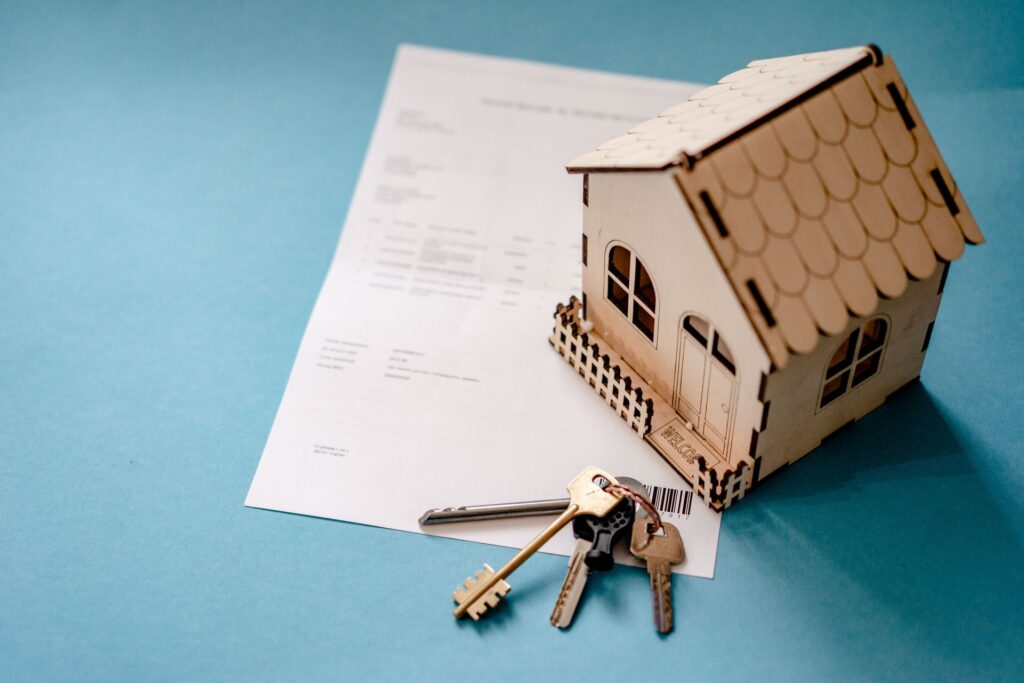
The word “escrow” gets thrown around a lot during a home purchase, and it means something more specific in North Carolina than most buyers expect coming in. Here’s what actually happens to your money, and whose hands it passes through, between an accepted offer and closing day.
North Carolina is what’s called an attorney-closing state. Unlike some states where a title company runs the whole transaction, closings here go through a licensed real estate attorney, and that attorney’s trust account is usually where your earnest money sits once your offer is accepted. The North Carolina Real Estate Commission oversees how those trust accounts are handled, which is part of why buyers here have a fairly high degree of protection around their deposit.
There are actually two separate checks written at the start of most NC contracts, and confusing them is where a lot of buyers get tripped up.
The due diligence fee goes directly to the seller, not into escrow. It’s paid at the time the contract is signed, and it compensates the seller for taking the home off the market while you complete your inspections and financing. This fee is non-refundable in almost every circumstance, but it’s credited back to you at closing if the deal goes through.
The earnest money deposit is different. It goes into a true escrow account, typically the closing attorney’s trust account, though some contracts name the listing brokerage’s trust account instead. This money is refundable if you terminate the contract in writing before your due diligence deadline. Once that deadline passes, the earnest money is at risk, meaning if you back out afterward without a contractual basis, the seller may be entitled to keep it as damages. Like the due diligence fee, it’s credited toward your purchase price if you close.
Here’s roughly how the timeline plays out. On day zero, your contract is signed, the due diligence fee goes to the seller, and your earnest money moves into the escrow account, usually within a few business days of the effective date. From there, your due diligence period begins, which typically runs anywhere from a week to 30 days depending on what you negotiated. During that window, you’re scheduling inspections, finalizing your loan application, and the closing attorney is starting the title search in the background.
As your due diligence deadline approaches, you make the call: proceed, negotiate repairs, or terminate. If you terminate before the deadline, your earnest money comes back to you and the seller keeps only the due diligence fee. If you proceed, your earnest money stays in escrow and is now tied to your performance under the contract. From there, the lender finishes underwriting, the appraisal comes back, and the attorney resolves any title issues that turned up. Once the lender issues a clear-to-close, the attorney schedules the actual closing, usually at their office, where everything gets signed and the funds get disbursed.
A few things worth knowing that catch people off guard. First, the escrow holder doesn’t get to decide who’s right if a dispute comes up over the deposit. They follow whatever the contract says, and if the parties can’t agree, the funds can sit until there’s a written release from both sides or a court order. That’s a real reason to have an agent and, when needed, an attorney reviewing your termination paperwork carefully rather than assuming a verbal agreement settles it.
Second, earnest money amounts vary more than people expect, generally landing between 1 and 2 percent of the purchase price, though it can run higher in a competitive multiple-offer situation as a way to signal you’re serious. There’s no legal minimum, but an offer with little or no earnest money tends to read as low-commitment to a seller comparing multiple offers.
Third, both the due diligence fee and the earnest money get credited toward your purchase price at closing if the deal goes through, so neither one is money you’re spending twice. It’s easy to see two checks leave your account early in the process and assume you’re out that much on top of your down payment, when really you’re just paying part of your purchase price earlier than the rest.
I walk every buyer through exactly what their specific contract says about these deadlines and dollar amounts before we submit an offer, since the details shift contract to contract. For the rest of what happens on the way to closing, see my full closing process breakdown, and you can check how the North Carolina Real Estate Commission regulates trust accounts directly on their site. Reach out if you want to walk through your own numbers before you write an offer.